Halloumi
“Χαλλούμι (Halloumi)”
The grilling cheese that holds its shape over fire
Halloumi
Halloumi is the cheese Cyprus is known for around the world. It is a semi-hard, springy cheese with a high melting point, which means it browns and crisps on a grill or in a pan instead of running. Traditionally it is made from a mix of sheep and goat milk, often with some cow milk added, set with rennet, folded and salted, and finished with fresh or dried mint between the layers. The mint and the brine give it its familiar savoury, slightly salty taste.
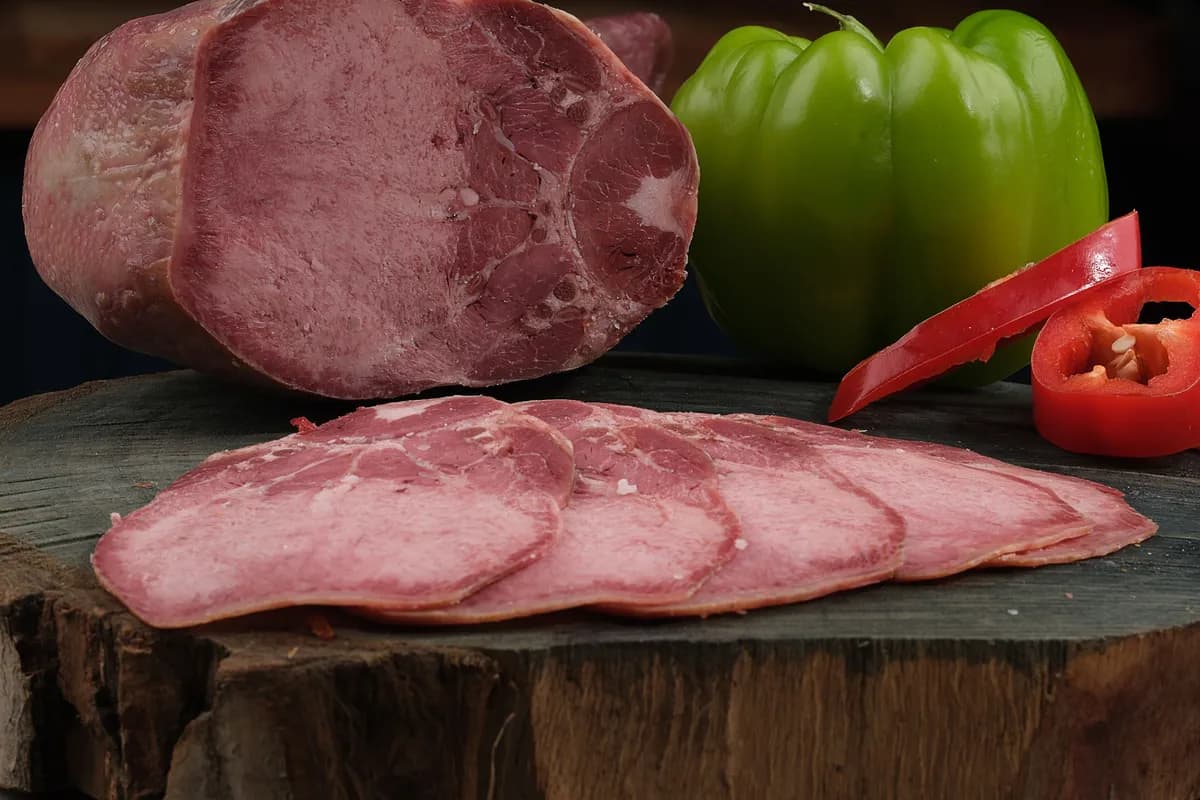
Halloumi carries protected designation of origin (PDO) status in the European Union, registered in 2021 after a long application process. Under that protection, only cheese made on the island of Cyprus to the traditional recipe can be sold as halloumi in the EU. You will see it cooked over coals next to souvla and sheftalia, sliced into a salad, or paired with the cured pork loin lountza in a grilled sandwich, one of the most common quick meals on the island.
Where to try it
- On any meze table across Limassol, Paphos and Larnaca, grilled and served warm.
- In a lountza-and-halloumi sandwich at village kiosks and bakeries.
- Fresh and unfried at supermarkets and dairies, vacuum-packed; check your destination's dairy import rules before taking it home.
Halloumi is naturally vegetarian when made with microbial rennet, though traditional animal rennet is also used, so vegetarians should check the label. It travels well, which is why it is the food most visitors carry home. After a day at the ruins of the Paphos Archaeological Park or a drive up to the Troodos mountains, a plate of grilled halloumi with lemon and bread is the simplest Cypriot meal there is.
Key ingredients
How to make Halloumi
- 1
Warm fresh sheep and goat milk (with a little cow milk if using) gently in a large pot to about body temperature, roughly 32 to 35C.
- 2
Stir in liquid rennet diluted in a little water, mix briefly, then leave the pot undisturbed for 30 to 40 minutes until the milk sets into a firm curd.
- 3
Cut the curd into rough cubes with a long knife, let it rest for 5 minutes, then gently stir and warm slowly to around 40C over 15 to 20 minutes to firm the curd further.
- 4
Ladle the curds into a colander or mould, pressing gently to drain the whey, and let them sit for 30 to 45 minutes to form a solid block, saving the whey.
- 5
Cut the pressed curd into slabs and poach them in the reserved whey at a bare simmer just below boiling, around 90C, for about 30 to 40 minutes, until the pieces float to the surface and become firm and stretchy.
- 6
Lift the cooked slabs out and, while still hot, rub each generously with coarse salt on both sides.
- 7
Fold each slab in half, tucking a few fresh mint leaves inside the fold.
- 8
Cool the folded cheeses, then store in a container, covered in the salted whey or brine, in the fridge.
- 9
To serve, slice and fry or grill in a dry hot pan for 1 to 2 minutes per side until golden and lightly charred, then serve immediately while warm and squeaky.
A home-style reference method; every family and kitchen has its own version.
Halloumi questions
Why does halloumi not melt when you cook it?
+
Is halloumi a protected product?
+
Is halloumi suitable for vegetarians?
+
How do Cypriots usually eat halloumi?
+
Can I take halloumi home from Cyprus?
+
Similar dishes
Explore Cyprus cuisine
From halloumi to souvla and slow-cooked kleftiko, the island's table runs deep. Browse every dish and find your next favourite.
All Cyprus dishes →