Limassol
Limassol is Cyprus's largest coastal city: a medieval castle, modern marina and long seafront, with the Roman ruins of Kourion and Troodos wine villages a short drive away.
Limassol
Limassol is Cyprus's largest coastal city: a medieval castle, modern marina and long seafront, with the Roman ruins of Kourion and Troodos wine villages a short drive away.
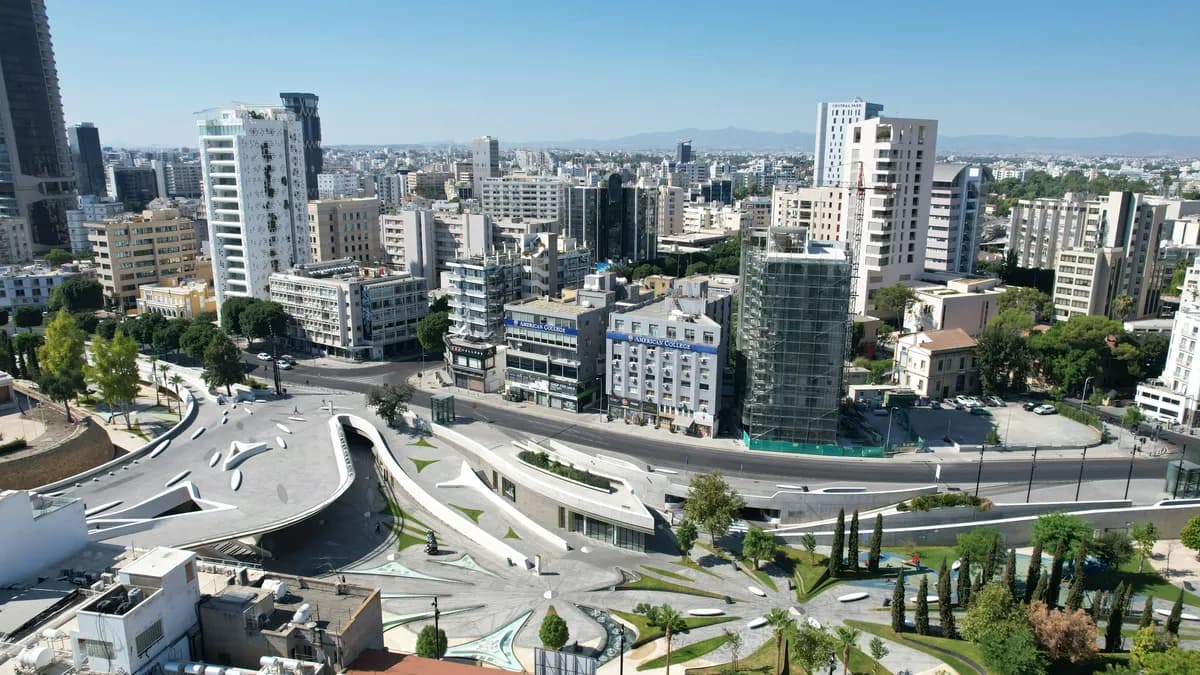
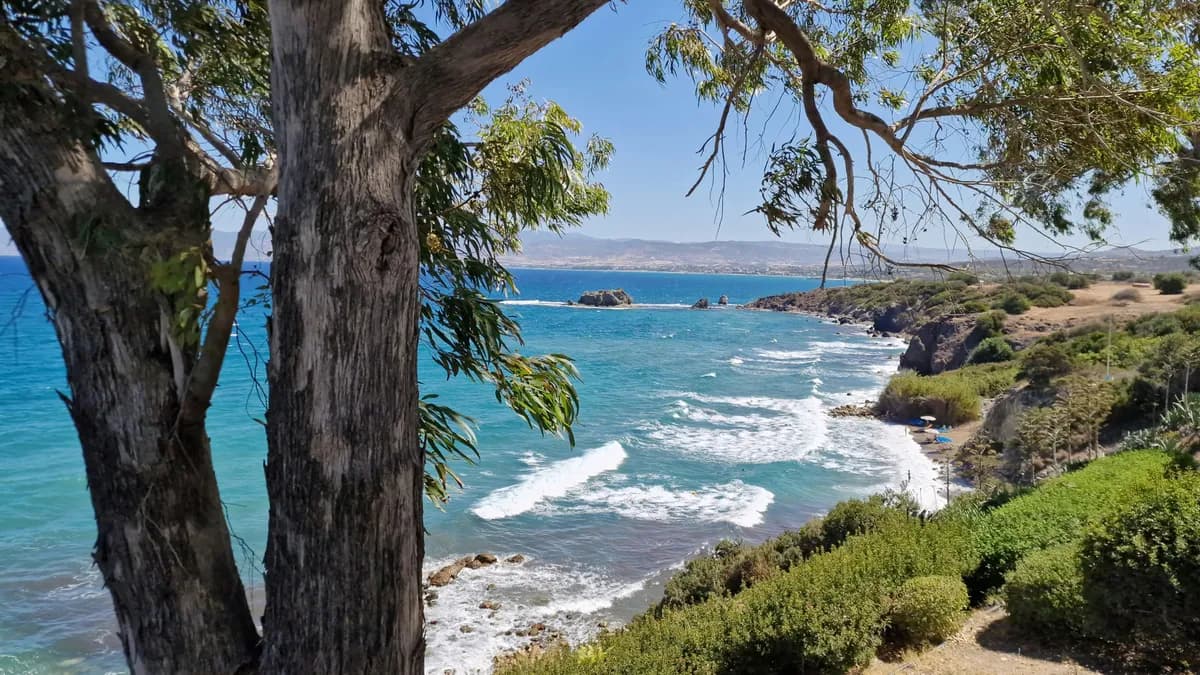
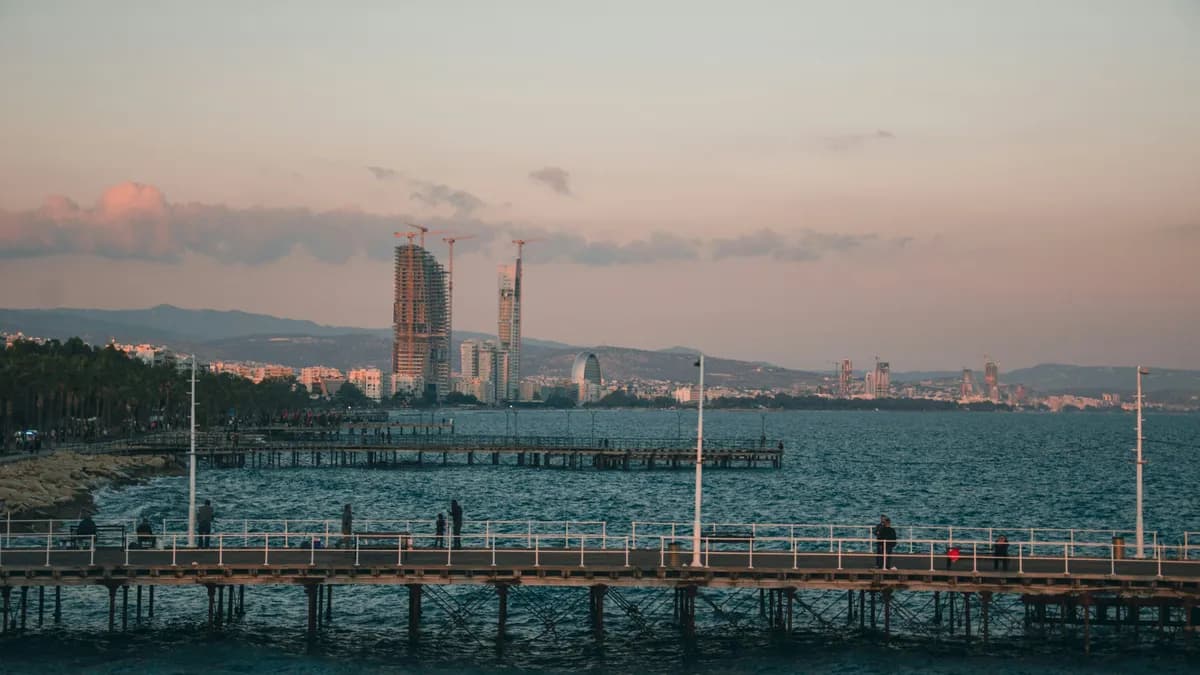
Limassol (Lemesos) lies on the south coast and is the largest city on the Cyprus shoreline, the commercial and cruise hub of the island. It mixes an old town around a small medieval castle with a long modern seafront, a new marina of restaurants and yachts, and a business district of high-rise towers. The setting is practical rather than postcard-pretty in places, but it puts a lot of Cyprus within easy reach.
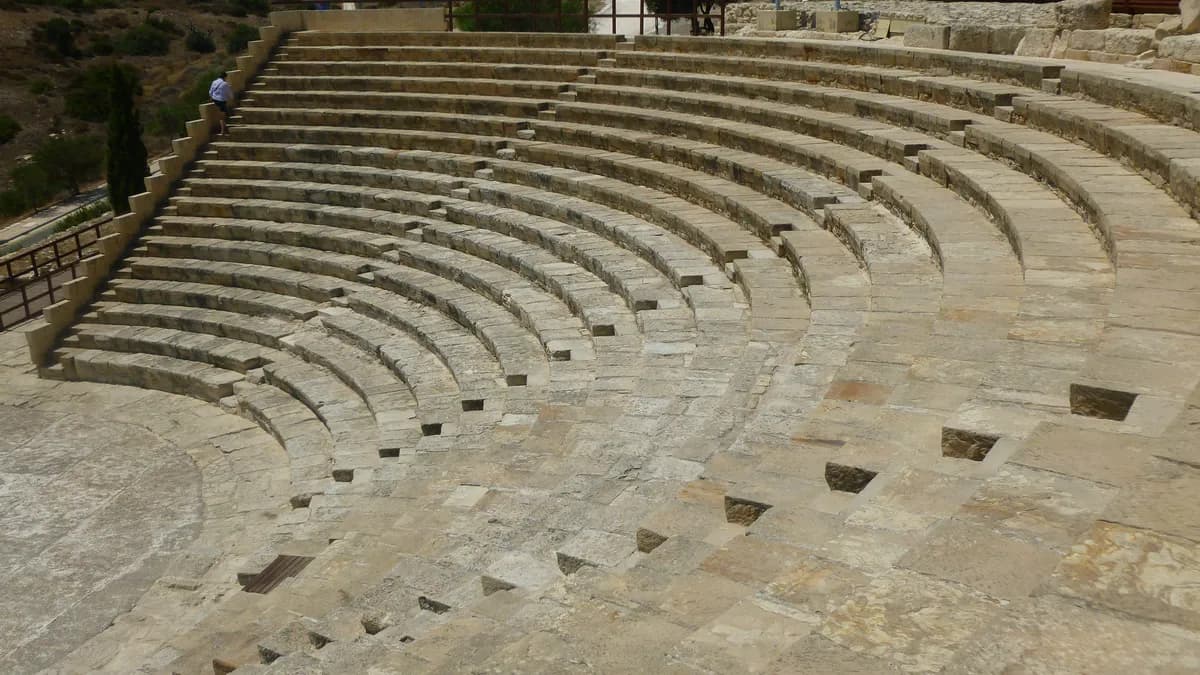
The medieval castle in the old town houses the Cyprus Medieval Museum and is tied by tradition to the marriage of Richard the Lionheart in 1191. West of the city, the Greco-Roman city of Kourion spreads along clifftops above the sea, with a restored theatre still used for performances. Nearby stands Kolossi Castle, a Knights Hospitaller stronghold rebuilt in the 15th century and linked to the island's sweet Commandaria wine.
Around Limassol
- Walk the seafront and marina, then visit the castle and old town lanes.
- Tour the ruins and theatre at Kourion, then see Kolossi Castle nearby.
- Spend a relaxed beach day at Governor's Beach or Lady's Mile Beach.
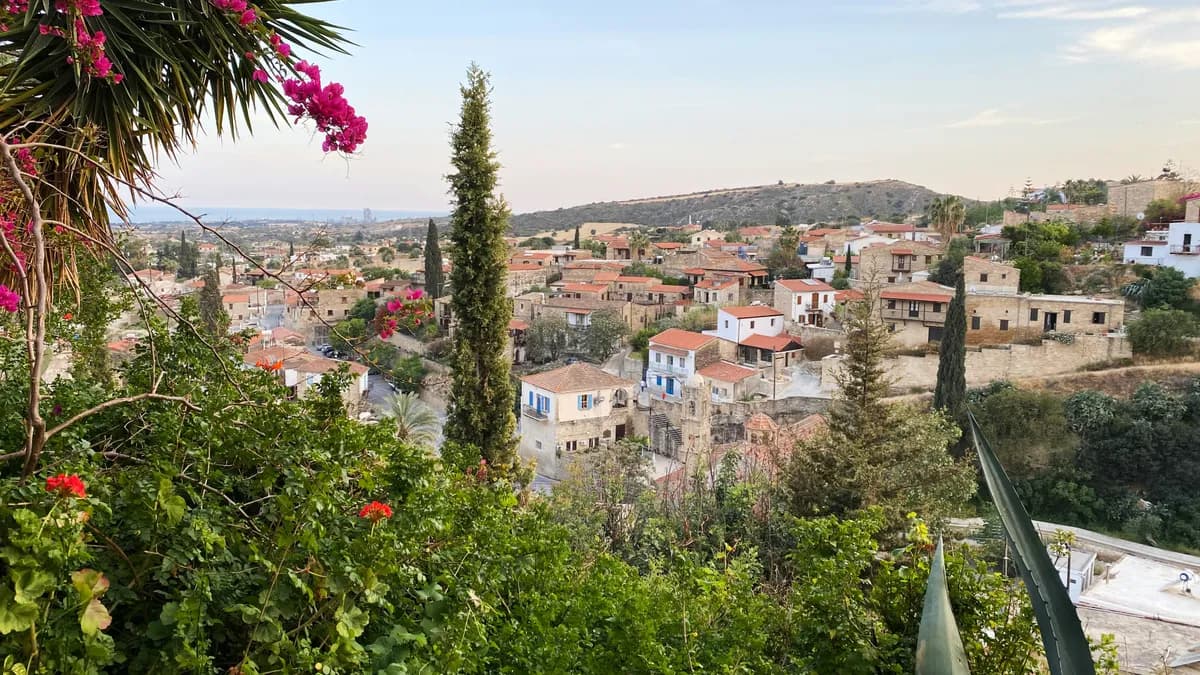
- Drive up to the wine village of Omodos for tavernas and family wineries.
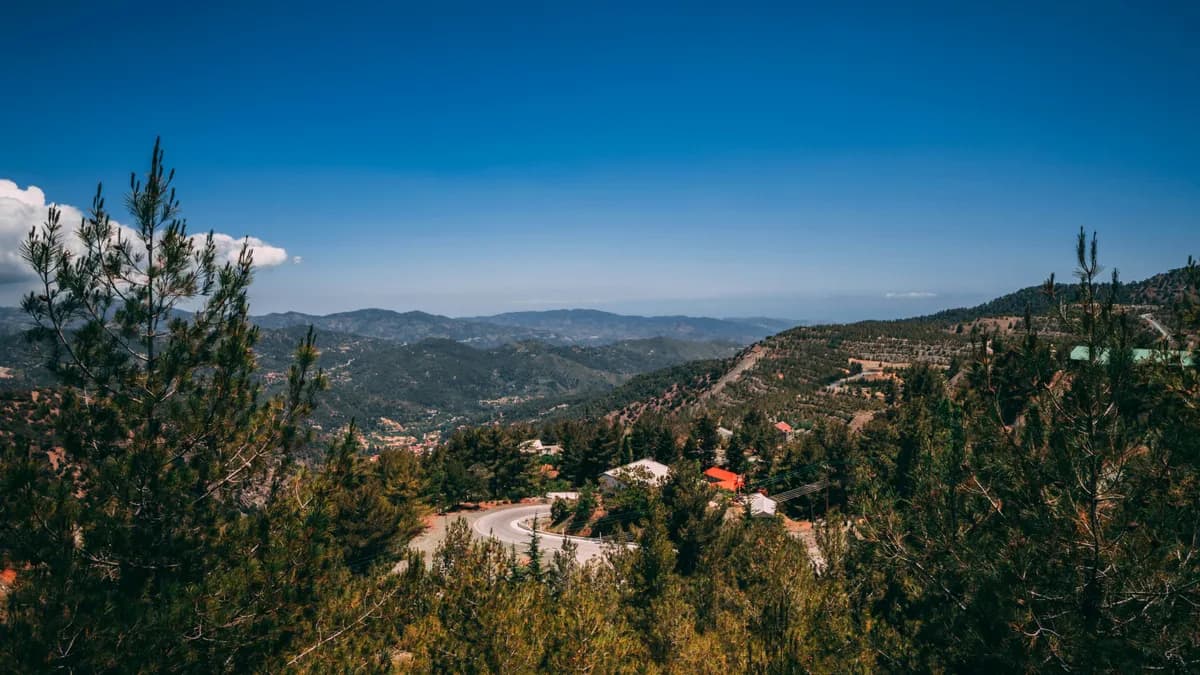
Limassol's beaches are mostly grey-gold sand and shingle rather than the white sand of the east, so many visitors come here for the city, food and culture as much as the swimming. The wine country of the southern Troodos slopes climbs just inland, and the city hosts a large wine festival and carnival each year.
It sits roughly midway along the coast, about an hour from both Paphos and Larnaca airports by motorway, and is a convenient base for Aphrodite's Rock and the Troodos Mountains. That central position makes it a strong base for touring the whole south.
Practical information
Photo gallery
Top attractions
Beaches here
Lady's Mile Beach
A long, flat stretch of dark sand along the Akrotiri peninsula near Limassol, with very shallow water. Beach tavernas, space to spread out and a nearby salt lake.
Governor's Beach
A run of small coves below bright white chalk cliffs, with dark grey sand and sheltered pools. On the coast east of Limassol, with tavernas above the shore.
Events & festivals
Activities & experiences
Where to eat
Where to stay
Alasia Boutique Hotel
★★★★A garden-set boutique hotel in central Limassol with an outdoor pool and spa, known for a standout breakfast buffet.
Old Port Hotel
★★★A small boutique hotel set directly opposite Limassol's Old Port and Castle, an easy walk to the marina and Old Town restaurants.
Limassol questions
What is there to do in Limassol?
+
Limassol combines a medieval castle and old town with a modern marina and a long seafront. The big draws nearby are the Greco-Roman ruins of Kourion, Kolossi Castle, and the wine villages of the southern Troodos. The city itself is strong on dining, the marina and a lively festival calendar rather than postcard beaches.
Is Limassol a good base for touring Cyprus?
+
Yes. Limassol sits roughly midway along the south coast, about an hour from both Paphos and Larnaca airports by motorway. From here you can reach Aphrodite's Rock, the Troodos Mountains, Nicosia and the western beaches as day trips, which makes it one of the most central bases on the island.
What are Limassol's beaches like?
+
Limassol's beaches are mostly grey-gold sand and shingle rather than the white sand of the southeast. Lady's Mile is a long, shallow town-side beach, and Governor's Beach, between Limassol and Larnaca, has small sandy coves below white chalk cliffs. Many visitors come for the city and culture as much as the swimming.
Can you visit the wine villages from Limassol?
+
Yes. The wine country of the southern Troodos slopes climbs just inland from Limassol. Villages such as Omodos and the Krasochoria (wine villages) have family wineries and tavernas and are an easy half-day or day trip. Limassol is also the home of the island's largest annual wine festival.
How far is Kourion from Limassol?
+
The Greco-Roman city of Kourion sits on clifftops west of Limassol, roughly a 20 minute drive from the centre. Nearby is Kolossi Castle, a Knights Hospitaller stronghold rebuilt in the 15th century. The two pair well as a half-day trip, with Kourion's restored theatre still hosting summer performances.
Is Limassol worth visiting?
+
Yes, especially if you want city energy with your beach time. Limassol pairs a long seafront and marina with a walkable old town, Kourion and Kolossi Castle nearby, and the Commandaria wine villages in its hills. It suits travelers who want restaurants and nightlife alongside day trips.
How many days do you need in Limassol?
+
Two to three days cover the city itself: one for the old town, castle and marina, a beach day on the seafront or at Lady's Mile, and a day trip to Kourion or the wine villages. Many travelers stay longer and use Limassol as a central base for the whole island.
Keep exploring
Nearby Destinations
Explore more places near Limassol