Paphos
Paphos pairs a UNESCO archaeological park of Roman mosaics with a working harbour, Tombs of the Kings and Cyprus's quieter western coast. The natural base for history and west-coast beaches.
Paphos
Paphos pairs a UNESCO archaeological park of Roman mosaics with a working harbour, Tombs of the Kings and Cyprus's quieter western coast. The natural base for history and west-coast beaches.
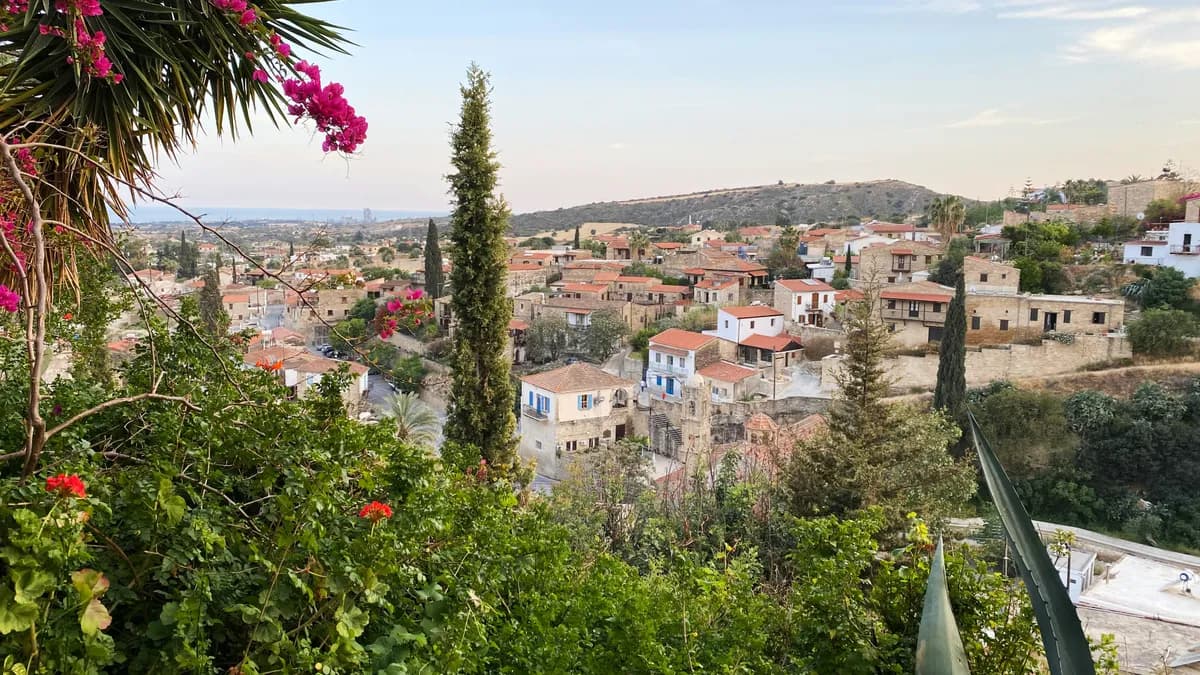
Paphos sits on the southwest coast of Cyprus and works as the natural base for a history-led trip. The whole town centre, together with the nearby ruins, has been a UNESCO World Heritage Site since 1980, recognised for its layered Greek, Roman and early Christian past. The old town sits uphill in Ktima (Pano Pafos), while the tourist area of Kato Pafos runs down to a small harbour ringed by tavernas and a medieval castle.
The headline site is the Paphos Archaeological Park in Kato Paphos, where the floors of grand Roman villas survive as detailed mosaics of mythological scenes. A short walk north, the Tombs of the Kings is a rock-cut necropolis carved into the coastal stone, its underground chambers styled like houses for the dead. Outside town, Aphrodite's Rock marks the legendary birthplace of the goddess on the road toward Limassol.
What to do
- Walk the mosaics of the archaeological park, then continue to the Tombs of the Kings.
- Swim and snorkel at Coral Bay, the main sandy beach north of town.
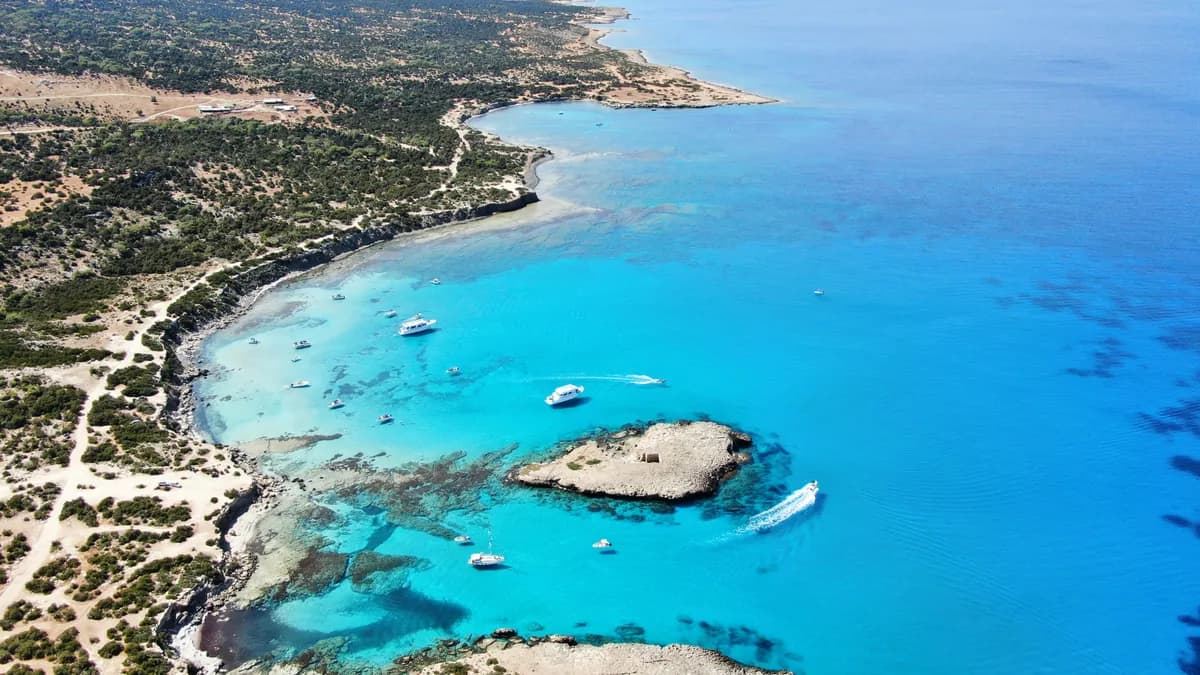
- Drive into the Akamas for the turtle-nesting sands of Lara Beach and the Avakas Gorge walk.
- Eat fresh fish around the harbour below the castle in the evening.
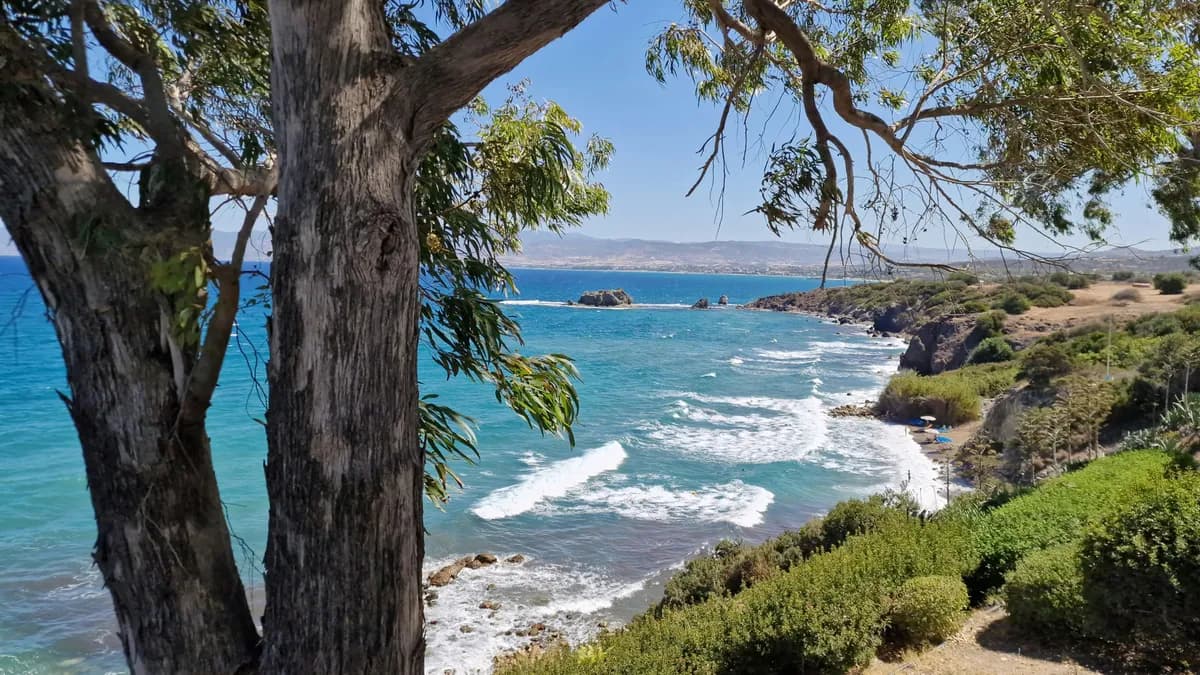
Paphos has its own airport (PFO) just east of town, which keeps transfers short. The coast here is rockier than the southeast, but you still get good swimming at Coral Bay and a string of small coves. The town suits couples, families and first-time visitors who want culture and beach time in one place, at a slower pace than the eastern resorts.
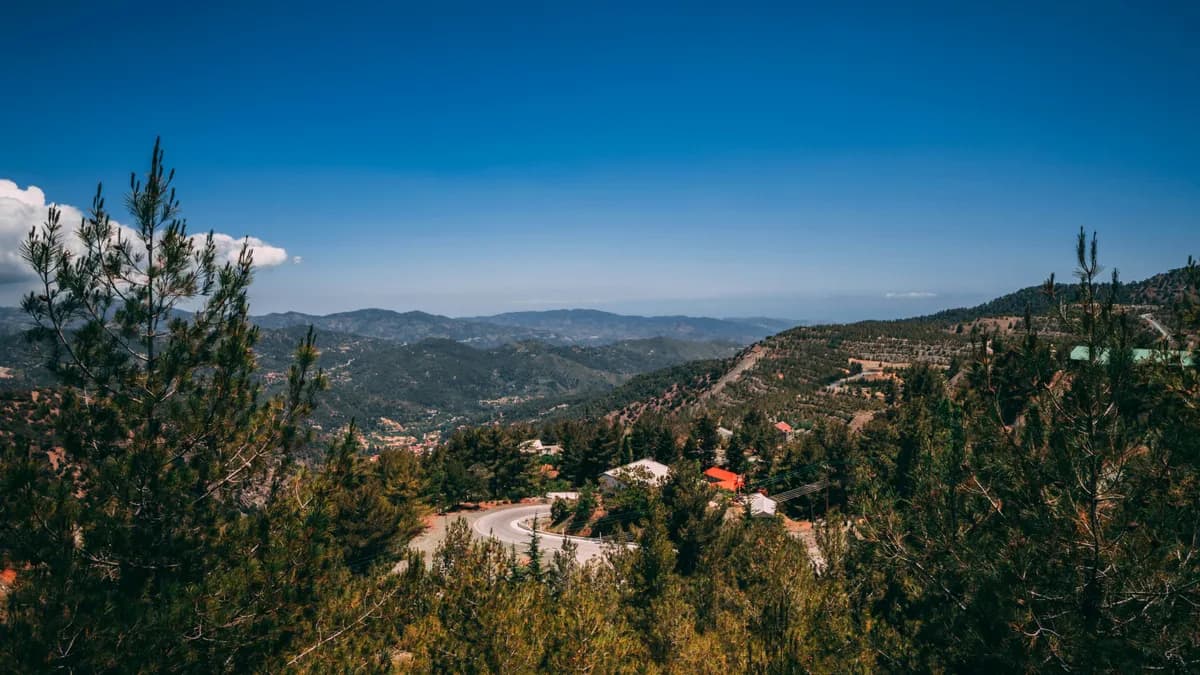
From here it is an easy run north to Polis and Latchi and the Akamas peninsula, or east along the motorway to Limassol and the Roman city of Kourion. Inland, the painted churches and wine villages of the Troodos Mountains are within a day trip.
Practical information
Photo gallery
Top attractions
Beaches here
Coral Bay
A sheltered crescent of golden sand between two limestone headlands near Peyia, north of Paphos. Calm, shallow water and full facilities. Blue Flag beach.
Lara Beach
An undeveloped Akamas beach and protected turtle-nesting site, reached by rough track. No facilities, no sunbeds, usually a 4x4 to get there.
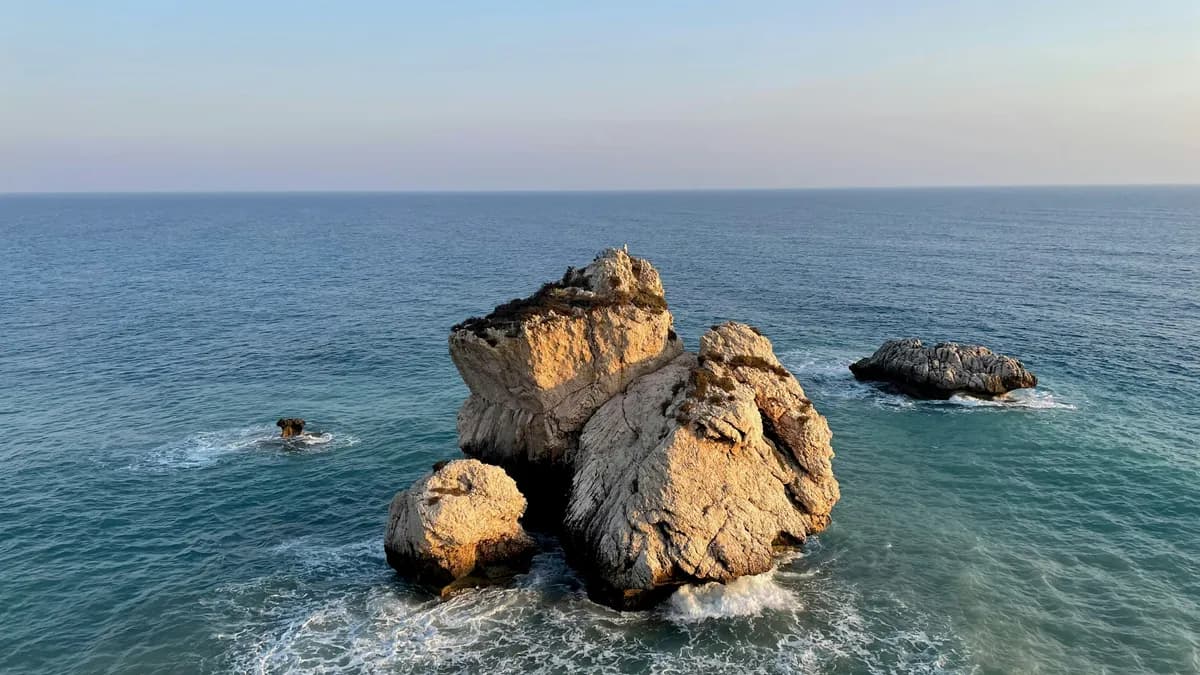
Petra tou Romiou (Aphrodite's Rock)
The pebble beach below Aphrodite's Rock, on the Paphos-Limassol coast road. Striking sea stacks and deep, often lively water. Strong on scenery, less so on swimming.
Activities & experiences
Where to eat
Where to stay
Almyra
★★★★★A 5-star design-led beachfront hotel in Kato Paphos run by Thanos Hotels, about a five-minute walk to both the beach and Paphos Harbour.
Paphiessa Hotel & Apartments
★★★A 3-star family hotel within walking distance of Paphos Harbour, popular for budget stays with a pool, tennis courts, and a straightforward, no-frills setup.
Paphos questions
What is Paphos known for?
+
Paphos is best known for its UNESCO World Heritage archaeology. The Paphos Archaeological Park in Kato Paphos preserves the floor mosaics of Roman villas, and the nearby Tombs of the Kings is a rock-cut necropolis. The town also has a small castle harbour, the legendary Aphrodite's Rock down the coast, and easy access to the Akamas peninsula.
Does Paphos have its own airport?
+
Yes. Paphos International Airport (PFO) lies just east of the town, about a 15 to 20 minute drive from the resort area, which keeps transfers short. It is the second international airport in Cyprus after Larnaca and is well served by European flights in the warmer months.
Are the beaches in Paphos good?
+
The Paphos coast is rockier than the white sand of the southeast, with many small coves, but it still has good swimming. Coral Bay, north of town, is the main sandy beach and is family-friendly. For wilder sand you can drive into the Akamas to Lara Beach, a protected turtle-nesting site with no facilities.
What currency and language are used in Cyprus?
+
Cyprus is in the European Union and uses the euro (EUR). Greek is the main language, but English is very widely spoken, especially in tourist areas, so visitors rarely have trouble. The emergency number is 112, and Cyprus drives on the left with UK-style three-pin plugs.
Is Paphos good for a first trip to Cyprus?
+
Yes. Paphos pairs major history with beaches and a slower pace than the eastern resorts, which suits first-time visitors, couples and families. Its own airport keeps arrivals simple, and it is well placed for day trips to the Akamas, Limassol and the Troodos Mountains.
How many days do you need in Paphos?
+
Three days fit the essentials: the mosaics and harbour castle, the Tombs of the Kings, and a beach day at Coral Bay. A fourth day adds the Akamas peninsula or Aphrodite's Rock at sunset. Paphos also works well as a week-long base for western Cyprus.
Keep exploring
Nearby Destinations
Explore more places near Paphos