Cyprus for First-Timers: Airports, Driving, Money
Everything you need for a first visit to southern Cyprus: the two main airports, driving on the left, euro budgeting, bus links and picking the right base.
Planning a first trip to Cyprus
Cyprus is an easy island to visit for the first time. It is an EU member, the currency is the euro, English is spoken almost everywhere alongside Greek, and the south of the island has good roads, modern airports and a long summer season. This guide covers the Republic of Cyprus, the government-controlled south, including Paphos, Limassol, Larnaca, Ayia Napa, Protaras, Nicosia and the Troodos mountains.
The practical basics are simple to remember. Cyprus drives on the left, plugs are UK-style type G at 230 to 240 volts, the dialling code is +357, and the single emergency number is 112. You pay for everything in euros (EUR), and cards are accepted very widely.
The two airports: Larnaca (LCA) and Paphos (PFO)
Cyprus has two international airports in the south, and the one you choose shapes your trip.
- Larnaca International Airport (LCA) sits about 6 km southwest of Larnaca, on the southeast coast. It is the larger gateway and the natural choice if you are heading for Larnaca, Ayia Napa, Protaras, Nicosia or the eastern beaches.
- Paphos International Airport (PFO) is roughly 6 to 7 km southeast of Paphos on the west coast. Use it if your trip centres on Paphos, Coral Bay, the wine villages or Polis and Latchi near the Akamas.
If you plan to see both ends of the island, many car hire firms allow you to fly into one airport and out of the other, picking up at LCA and dropping at PFO (or the reverse). Both terminals have ATMs, currency exchange and car rental desks in or beside arrivals.
Entry requirements: do you need a visa?
Cyprus is a member of the EU, but it is not currently part of the Schengen area, so its entry rules work a little differently from mainland Europe. EU, EEA and Swiss citizens travel freely with a valid passport or national ID card. Citizens of the UK, US, Canada, Australia and most other visa-exempt countries can currently enter for short tourist stays without a visa, up to 90 days in any 180 day period rather than a fresh 90 days per visit. A valid passport is the starting point, not the whole test: British citizens, for example, need a passport issued less than 10 years before arrival, valid for at least three months after the day they plan to leave, with a blank page for stamping, and officers may ask about onward travel and funds. Check your own government's Cyprus entry advice before booking.
The EU plans to introduce ETIAS, an online travel authorisation for visa-exempt travellers from outside the EU, a quick, low-cost process similar to the US ESTA. As of September 2026 no start date has been confirmed: the EU has withdrawn its earlier 2026 target and says it will announce a date several months in advance, and there will be a transitional period after launch during which travellers are not refused entry simply for lacking one. Check the official EU ETIAS site before you book. One quirk worth knowing: because Cyprus is not in Schengen, days spent here do not count toward the 90-day Schengen limit, and vice versa, which can help travellers combining Cyprus with a longer mainland European trip. Entry rules can change, so check your own country's requirements before booking.
Driving on the left and hiring a car
A hire car is the most flexible way to see Cyprus, and for many first-timers it is close to essential, since the island has no passenger railway and the best beaches, mountain villages and ancient sites are spread out. Cyprus drives on the left, with the steering wheel on the right, following the British system. If you are used to driving on the right, take it slowly for the first hour, especially at roundabouts and when pulling out onto a main road.
A few points worth knowing before you collect the keys:
- Distances are short. Larnaca to Limassol is roughly 65 to 70 km, and the motorway network (A1, A3, A5 and A6) links the main coastal towns and Nicosia.
- Speeds and distances are in kilometres. Motorway limits are typically 100 km/h, with 50 km/h the usual town limit.
- The drink-driving limit is 50 mg of alcohol per 100 ml of blood, the same as Scotland and lower than England, Wales and Northern Ireland, so it is safest not to drink at all before driving.
- Bring your full driving licence. UK visitors should carry the photocard; many firms also ask for a credit card in the main driver's name for the deposit.
- Fuel stations are common in towns but thin out in the Troodos mountains and on the Akamas tracks, so fill up before heading inland.
Mountain roads to places like Kykkos Monastery and Mount Olympus are paved but narrow and winding, while the rough tracks of the Akamas peninsula beyond Coral Bay need a high-clearance vehicle. If a track is signed as 4x4 only, a standard hire car is not insured for it, so an organised Akamas jeep safari is the sensible way to reach spots like the Blue Lagoon.
Money: it is euros, and cards work nearly everywhere
Cyprus uses the euro (EUR). Write and budget in euros, not dollars or pounds. Contactless and chip-and-pin cards are accepted in shops, restaurants, supermarkets, fuel stations and most cafes. ATMs are easy to find in every town and at both airports.
It is still worth carrying some cash. Small euro notes and coins are handy for bus fares, tips, parking, village tavernas and roadside fruit stalls, where card machines are not guaranteed. Tipping is modest: rounding up or leaving around 5 to 10 percent in a restaurant is normal, not expected.
| Typical cost | Rough price (EUR) |
|---|---|
| Coffee (frappe or espresso) | 2 to 3.50 |
| Casual taverna main | 10 to 16 |
| Local beer (bar) | 3 to 5 |
| Intercity bus ticket | about 5 to 10 |
| Small hire car per day (booked ahead) | roughly 25 to 50 |
These are everyday guide figures, not fixed prices, and they climb in July and August. Prices for food and drink are generally lower in inland villages than on the busiest stretches of seafront.
Getting around without a car
You can manage without driving if you base yourself in one town. Cyprus has no trains, so the public network is buses. Urban buses run within each city, and InterCity Buses link the main towns: Nicosia, Limassol, Larnaca, Paphos and the Famagusta district that covers Ayia Napa and Protaras. Services are cheaper than taxis but less frequent in the evenings and on Sundays, so check timetables before you rely on them.
- Use the official Cyprus bus apps and city operator sites to plan routes and see live arrival times.
- Taxis are metered in towns and available at airports and ranks; agree on a price for longer intercity runs.
- Organised day tours fill the gaps the buses leave, from a Troodos hiking trip to a Limassol wine villages tour or a Blue Lagoon boat cruise.
Safety and practical health
Cyprus is a low-crime destination and feels safe for solo travellers and families. The single emergency number is 112 for police, ambulance and fire. The most common issues for visitors are sun and sea rather than crime: summer heat is strong, so carry water, use shade in the middle of the day, and respect any red flags or lifeguard instructions at beaches such as Nissi Beach and Fig Tree Bay.
Tap water is treated and safe to drink in the main towns, though many people prefer bottled water for taste. Pharmacies are widespread and well stocked; EU visitors should bring a valid EHIC, and UK visitors the GHIC, for state healthcare. Driving is the activity most likely to catch first-timers out, so the left-hand rule and the strict alcohol limit are the things to keep front of mind.
Where to base yourself
Cyprus is small, but choosing the right base saves a lot of driving. Match the town to the kind of trip you want.
- Paphos (fly into PFO): best for history and a relaxed pace. The UNESCO-listed Archaeological Park, the Tombs of the Kings and Aphrodite's Rock are close, with the Akamas and Polis and Latchi within easy reach.
- Limassol (central): a year-round city with a long promenade, halfway between the two airports. Handy for Ancient Kourion, Kolossi Castle and the Troodos wine villages such as Omodos.
- Larnaca (fly into LCA): the most convenient base for a short first trip, walkable, with the Finikoudes seafront, the Church of Saint Lazarus and the Salt Lake on the doorstep.
- Ayia Napa and Protaras (closest to LCA): the east-coast beach belt, with clear water at Konnos Bay and the cliffs of Cape Greco. Ayia Napa is livelier and busier; Protaras is calmer and better for families.
- Nicosia (inland capital): skip the beaches and focus on the walled Old Town, museums and an unhurried, less touristy feel.
For a first visit, many travellers base in one coastal town for relaxation and take one or two day trips inland, perhaps to Omodos for a village wine tour or up to the Troodos for cooler air. Wherever you land, leave time to try the food: grilled halloumi, slow-roasted kleftiko and a glass of the island's sweet commandaria wine are a good introduction to Cyprus.
Frequently Asked Questions
Do I need a visa to visit Cyprus?
EU, EEA and Swiss citizens travel freely with a valid passport or national ID card. Citizens of the UK, US, Canada, Australia and most other visa-exempt countries can currently enter for short tourist stays without a visa, up to 90 days in any 180 day period rather than a fresh 90 days each visit, and the passport itself must meet the issue date, remaining validity and blank page rules your own government publishes for Cyprus. The EU plans to introduce ETIAS, an online travel authorization for visa-exempt travelers from outside the EU, but as of September 2026 no start date has been confirmed and the EU says it will announce one several months in advance, so check the official EU ETIAS site before you book. Entry rules can change, so check your own country's requirements before booking.
Should I fly into Larnaca or Paphos airport?
It depends on where you plan to stay. Larnaca International Airport (LCA) sits southwest of Larnaca on the southeast coast and suits trips centered on Larnaca, Ayia Napa, Protaras, Nicosia or the eastern beaches. Paphos International Airport (PFO) is on the west coast and suits trips centered on Paphos, Coral Bay, the wine villages or Polis and Latchi. Many car hire firms let you fly into one and out of the other.
Does Cyprus drive on the left or the right?
Cyprus drives on the left, with the steering wheel on the right, following the British system. If you are used to driving on the right, take it slowly for the first hour, especially at roundabouts and when pulling onto a main road. Motorway limits are typically 100 km/h and town limits 50 km/h, and drink-driving limits are strict, so it is safest not to drink at all before driving.
What currency does Cyprus use?
Cyprus uses the euro (EUR), so budget and pay in euros rather than dollars or pounds. Contactless and chip-and-pin cards are accepted in shops, restaurants, supermarkets, fuel stations and most cafes, and ATMs are easy to find in every town and at both airports. It is still worth carrying some cash for bus fares, tips, parking, village tavernas and roadside fruit stalls, where card machines are not guaranteed.
Can I get around Cyprus without renting a car?
Yes, if you base yourself in one town. Cyprus has no trains, so the public network is buses: urban buses run within each city, and InterCity Buses link Nicosia, Limassol, Larnaca, Paphos and the Famagusta district covering Ayia Napa and Protaras. Services are cheaper than taxis but less frequent in the evenings and on Sundays. Taxis and organized day tours fill in the gaps the bus timetable leaves.
Is Cyprus safe for first-time visitors?
Cyprus is a low-crime destination and feels safe for solo travelers and families. The single emergency number is 112 for police, ambulance and fire. The most common issues for visitors are sun and sea rather than crime, so carry water, use shade in the middle of the day, and respect any red flags or lifeguard instructions at the beaches. Driving on the left is the thing most likely to catch first-timers out.
Where should I base myself on a first trip to Cyprus?
Match the town to your trip. Paphos suits history and a relaxed pace, Limassol is central and handy for the Troodos wine villages, Larnaca is the most convenient walkable base for a short trip flying into LCA, Ayia Napa and Protaras form the east-coast beach belt near LCA, and Nicosia suits an unhurried, less touristy inland city break without beaches.
Is Cyprus part of the Schengen area?
No, Cyprus is an EU member but is not currently part of the Schengen area, so its entry rules work a little differently from mainland Europe. Because Cyprus is not in Schengen, days spent here do not count toward the 90-day Schengen limit and vice versa, which can help travelers who are combining a Cyprus trip with a longer mainland European trip.
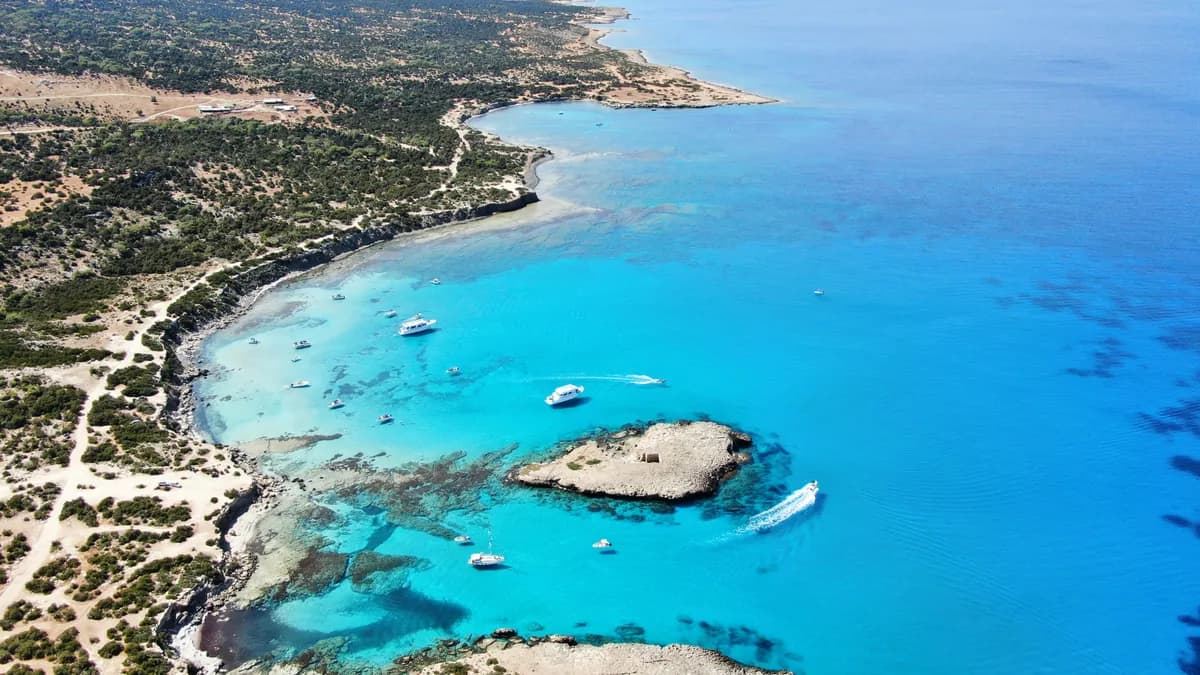
Paphos
This guide covers Paphos. Explore more about this destination.
View DestinationAbout the Author
Alex Borshch
Founder and editor of the Isla365 network. Spent six months living in the Dominican Republic over the 2013-14 winter, and has since wintered in Thailand, Vietnam and Turkey. Writes and edits the guides across the network.